Introduction: One Shelf, Two Different Jobs
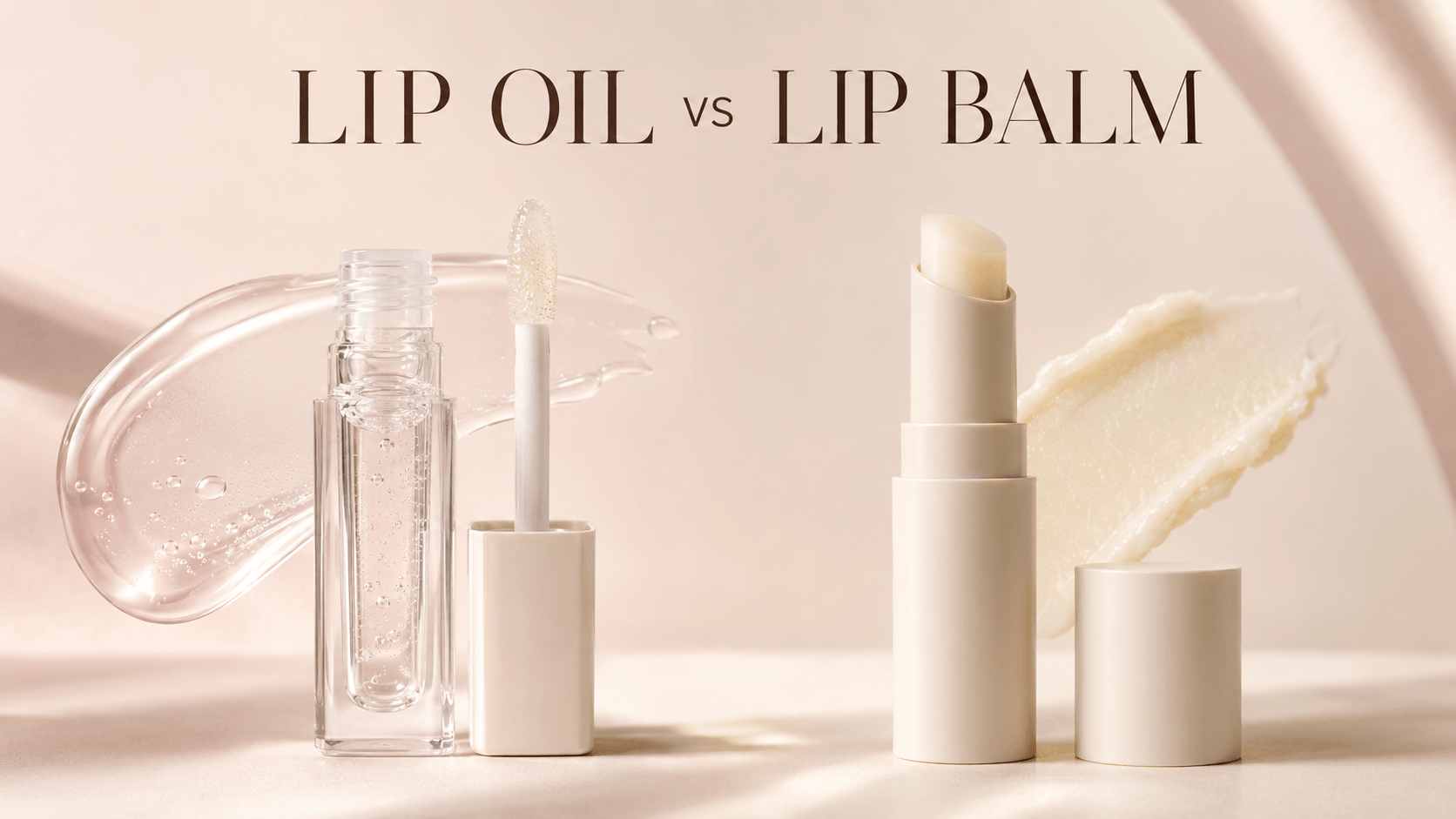
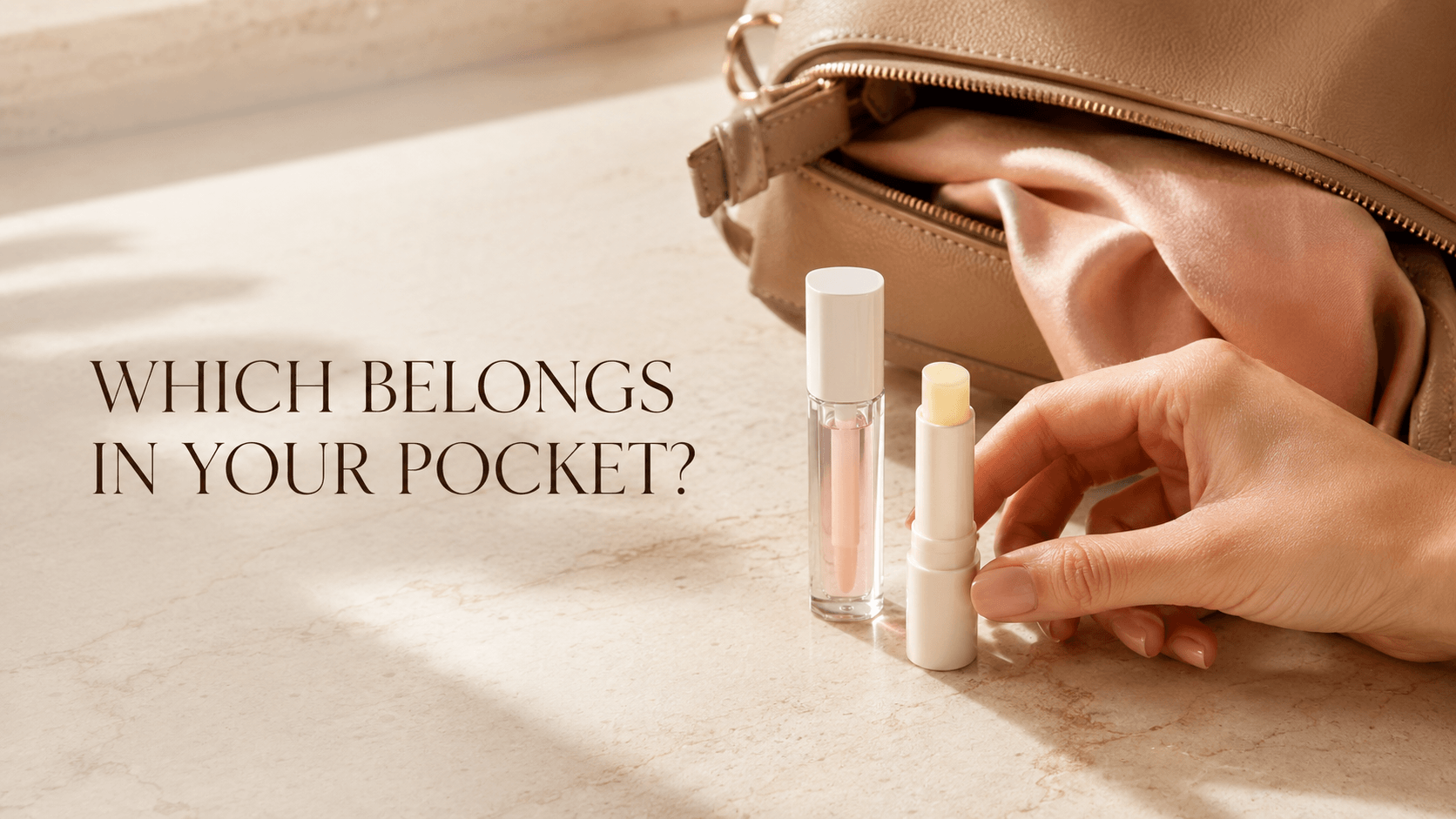
You own both, but which one belongs in your pocket? The quick answer is simple. Choose lip oil when you want lightweight comfort and shine. Choose lip balm when dry, tight, or flaky lips need a more lasting barrier layer.
Many routines benefit from both. The best choice depends less on trends and more on texture, weather, and how your lips feel that day. Understanding what each product does can help you create a simpler and more effective lip care routine.
What Is Lip Oil?
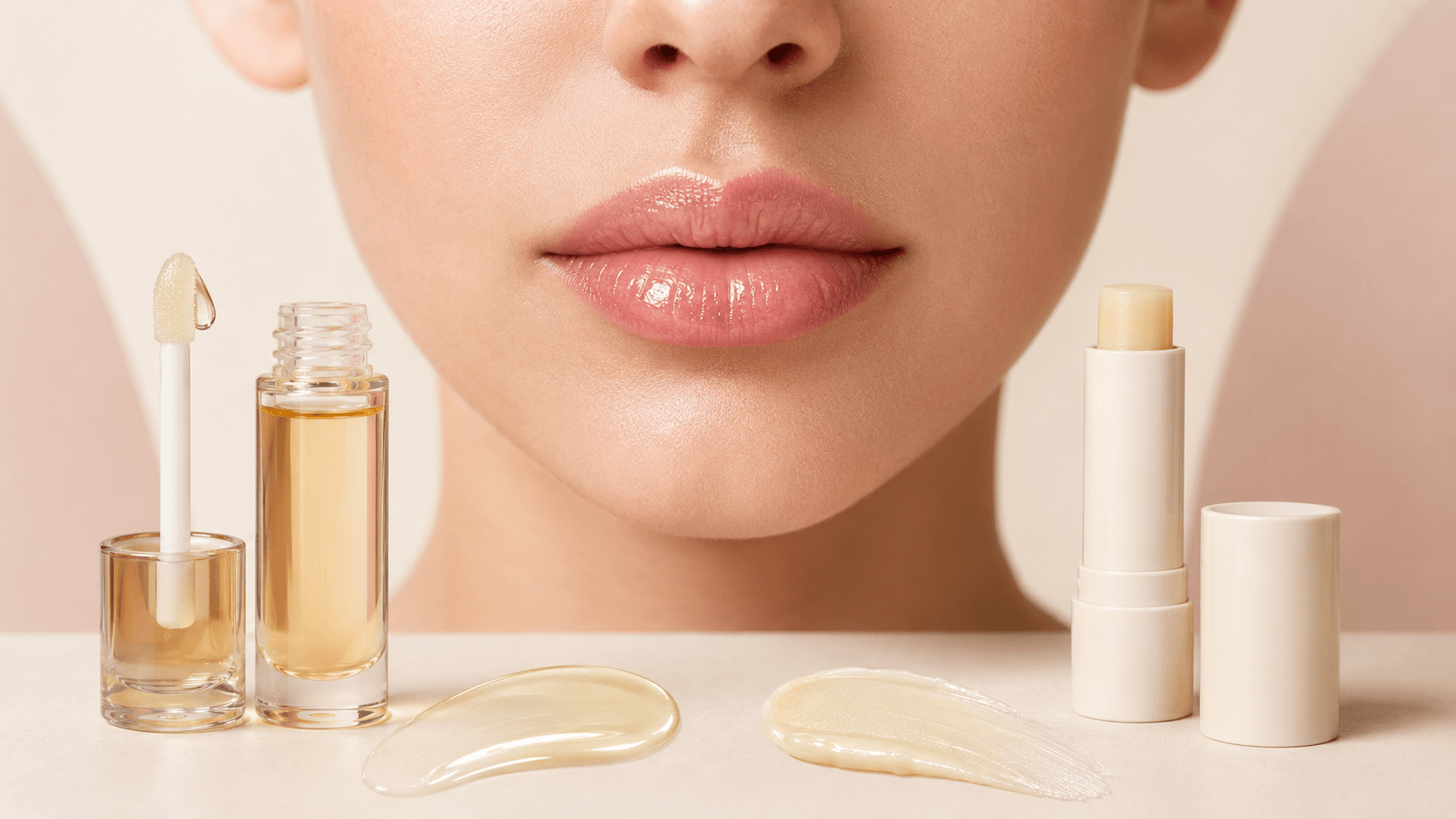
Lip oil is usually a fluid blend of emollient oils, esters, or squalane. It spreads easily, smooths the feel of roughness, and leaves a glossy finish without the tacky texture of many traditional lip glosses.
Formulas can vary significantly. Some lip oils focus mainly on shine, while others contain botanical oils and conditioning ingredients. For this reason, the complete ingredient list and product directions matter more than the word "oil" on the package.
A lip oil can be useful when:
- Your lips feel mildly dry
- You want a glossy finish
- You prefer a lightweight lip product
- You want a comfortable topcoat over lip color
- You do not like the heavier feel of wax-based products
- You want something easy to reapply during the day
Botanical oils such as jojoba are commonly used in oil-based cosmetics because of their smooth slip. Explore COCOJOJO's Jojoba Golden Oil to learn more about the texture and versatility of this familiar cosmetic oil.
However, a cosmetic oil designed for the face, body, or hair is not automatically suitable for the lips. Use only products that are specifically directed for lip application.
What Is Lip Balm?
Lip balm is usually thicker than lip oil. It may contain waxes, butters, petrolatum, mineral oil, dimethicone, or a combination of ingredients that create a more substantial layer on the lips.
This layer helps slow moisture loss and cushions the lip surface against dry air, wind, and friction. Depending on the formula, a lip balm may leave a matte, satin, creamy, or softly glossy finish.
Lip balm can be useful when:
- Your lips feel tight or uncomfortable
- You notice visible flaking
- You want a thicker product
- You need something suitable for bedtime
- You are spending time in cold, windy, or dry conditions
- You want a product that stays on longer
The American Academy of Dermatology explains that thick ointments seal in water longer than waxes or oils. This helps explain why balm or ointment formats often work better on very dry or cracked lips.
For daytime outdoor use, choose a lip product labeled SPF 30 or higher and reapply it according to its directions.
Lip Oil vs Lip Balm: The Key Differences
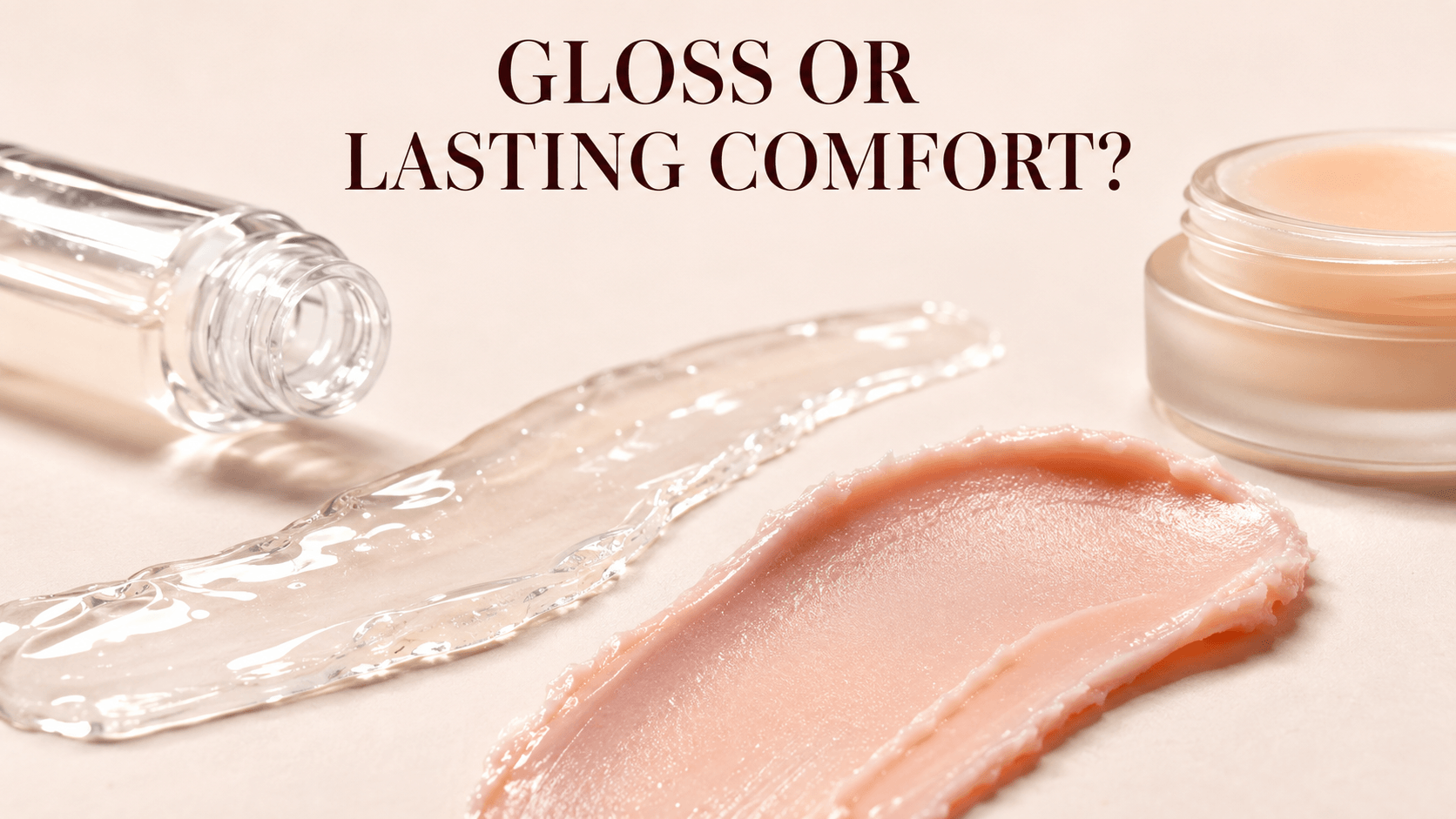
Lip oils and lip balms can both make the lips feel more comfortable, but their textures, finishes, and ideal uses are different.
Texture
- Lip Oil: Fluid, silky, and lightweight.
- Lip Balm: Solid or semi-solid with a thicker feel.
- Best Choice: Choose the texture that feels most comfortable on your lips.
Main Purpose
- Lip Oil: Adds emollience, comfort, slip, and visible shine.
- Lip Balm: Creates a thicker and longer-lasting barrier layer.
- Best Choice: Choose lip balm when your lips feel noticeably dry or flaky.
Finish
- Lip Oil: Leaves a glossy and fresh-looking finish.
- Lip Balm: May look matte, satin, creamy, or softly glossy.
- Best Choice: Choose lip oil when visible shine is your priority.
Wear Time
- Lip Oil: Usually requires more frequent reapplication.
- Lip Balm: Usually remains on the lips longer.
- Best Choice: Choose lip balm for bedtime or longer-lasting comfort.
Best Time to Use
- Lip Oil: Ideal during the day or over lip color.
- Lip Balm: Ideal during dry weather, at bedtime, or when lips feel flaky.
- Best Choice: Keep both available so your routine can change with your needs.
The exact performance depends on the complete formula, not only the product format.
Which Should You Use?
There is no single product that is automatically better for everyone. The right choice depends on how your lips feel and what finish you want.
Choose Lip Oil When You Want:
- A glossy, fresh-looking finish
- Lightweight slip instead of a waxy feel
- A comfortable topcoat over lip color
- Easy daytime reapplication
- A smooth and less sticky alternative to lip gloss
- Mild support for dry-feeling lips
Choose Lip Balm When You Want:
- A thicker, longer-lasting layer
- Extra comfort for flaky or tight-feeling lips
- A simple overnight lip care step
- More support in cold, windy, or dry conditions
- A less glossy finish
- A product that needs less frequent reapplication
Use Both When You Want:
- The cushion of balm with the shine of oil
- A flexible routine that changes with the weather
- A smooth base before creating a glossy lip look
- Extra comfort without giving up visible shine
How to Layer Lip Balm and Lip Oil
Start with clean lips. If they feel very dry, apply a thin layer of a non-irritating lip balm and give it a moment to settle. Add a light coat of lip oil when you want more shine.
For a simple daytime routine:
- Apply a thin layer of lip balm.
- Wait a few minutes for it to settle.
- Blot away excess balm if necessary.
- Apply lip color if desired.
- Add lip oil as the final glossy layer.
For nighttime use, you may prefer to skip the glossy oil and apply a thicker balm or ointment instead.
If a product stings, burns, or increases peeling, stop using it. A lip product should feel comfortable on application.
Ingredients Worth Noticing in Lip Oils
Look for lip-specific products made with well-tolerated emollients. Common lip oil ingredients may include:
- Jojoba oil
- Squalane
- Castor oil
- Sunflower oil
- Sweet almond oil
- Seed oils
- Cosmetic esters
- Vitamin E
These ingredients can influence the product's texture, slip, shine, and overall feel. However, the complete formula is more important than any single featured ingredient.
Ingredients Worth Noticing in Lip Balms
Lip balms may contain a combination of emollients, waxes, butters, and occlusive ingredients. Common examples include:
- Petrolatum
- Mineral oil
- Shea butter
- Cocoa butter
- Beeswax
- Candelilla wax
- Dimethicone
- Plant oils
- Vitamin E
A well-balanced lip balm should spread smoothly without feeling excessively hard, grainy, or sticky.
Botanical Oils in Lip Care Formulas
Botanical oils can add slip, softness, and a smoother application experience to lip oils and balms. Their texture can range from light and fluid to rich and cushiony.
For more botanical ingredient education, read COCOJOJO's guide to Blueberry Seed Oil Benefits. The article discusses the oil's lightweight texture and potential use in balm or gloss concepts.
If you formulate cosmetic products, the COCOJOJO Red Raspberry Seed Oil page also describes its use in balms and lip products.
Always confirm that an ingredient is suitable for lip use. Follow supplier directions and complete appropriate safety, compatibility, and stability testing before using an ingredient in a finished lip formula.
Common Lip Care Mistakes
Relying Only on Lip Oil for Very Dry Lips
Lip oil can provide comfort and shine, but a thicker balm or ointment may be more useful when lips are severely flaky or cracked.
Licking Your Lips
Licking the lips may feel helpful for a moment, but the saliva evaporates quickly and can leave the lips feeling even drier.
Using Strongly Flavored Products
Minty, strongly flavored, or fragranced products may feel uncomfortable on sensitive lips. Choose a simpler formula if you notice irritation.
Assuming Every Cosmetic Oil Is Lip Safe
A face, body, hair, massage, or essential oil should not automatically be applied to the lips. Check the product label and intended use first.
Skipping Daytime SPF Lip Care
The lips are regularly exposed to the sun. Choose a lip product labeled SPF 30 or higher for outdoor daytime use and reapply it according to the directions.
Applying Too Much Product
More product does not always mean better results. Start with a thin and even layer. Add more only when needed.
How COCOJOJO Fits Into a Smarter Lip Care Routine
COCOJOJO develops and manufactures botanical oils and skincare products with in-house formulation experience. That background helps shoppers and formulators compare ingredient function, product texture, and intended use instead of following format trends without understanding them.
The difference between a lip oil and a lip balm is not simply shine versus no shine. The full formula, ingredient balance, product texture, and intended application all influence the experience.
Browse the COCOJOJO retail collection to explore cosmetic oils and finished skincare products. Always follow each product label for the correct application area and method of use.
Frequently Asked Questions
Can Lip Oil Replace Lip Balm?
Sometimes. Lip oil may be enough for mild dryness, daytime comfort, or visible shine. A thicker lip balm or ointment is usually more useful when the lips are very dry, flaky, or cracked.
Can You Use Lip Oil and Lip Balm Together?
Yes. Apply lip balm first for cushion and allow it to settle. Then add a thin layer of lip oil for shine.
Which Is Better for Dry Lips?
Lip balm usually stays on longer and creates a thicker layer. Lip oil can add comfort and shine, but it may require more frequent reapplication.
Is Lip Oil the Same as Lip Gloss?
Not exactly. Both can create shine, but lip oils often have a lighter and more fluid texture. Traditional lip gloss may feel thicker or stickier, depending on the formula.
Can You Apply Lip Oil Before Bed?
You can, but a thicker lip balm or ointment may remain on the lips longer during the night. Lip oil is often preferred during the day because of its glossy finish.
How Often Should You Reapply Lip Oil or Lip Balm?
Reapply whenever your lips begin to feel dry or uncomfortable. Always follow the directions provided with the specific product.
Conclusion: Choose by Need, Not Hype
Lip oil and lip balm are not true rivals. Lip oil is the better choice when you want fluid comfort, lightweight slip, and a glossy finish. Lip balm is the stronger choice when lips feel tight, flaky, or exposed to dry conditions.
You do not necessarily need to choose only one. Keep both if you enjoy them, but let your lips decide which product leads your routine each day.