
Introduction
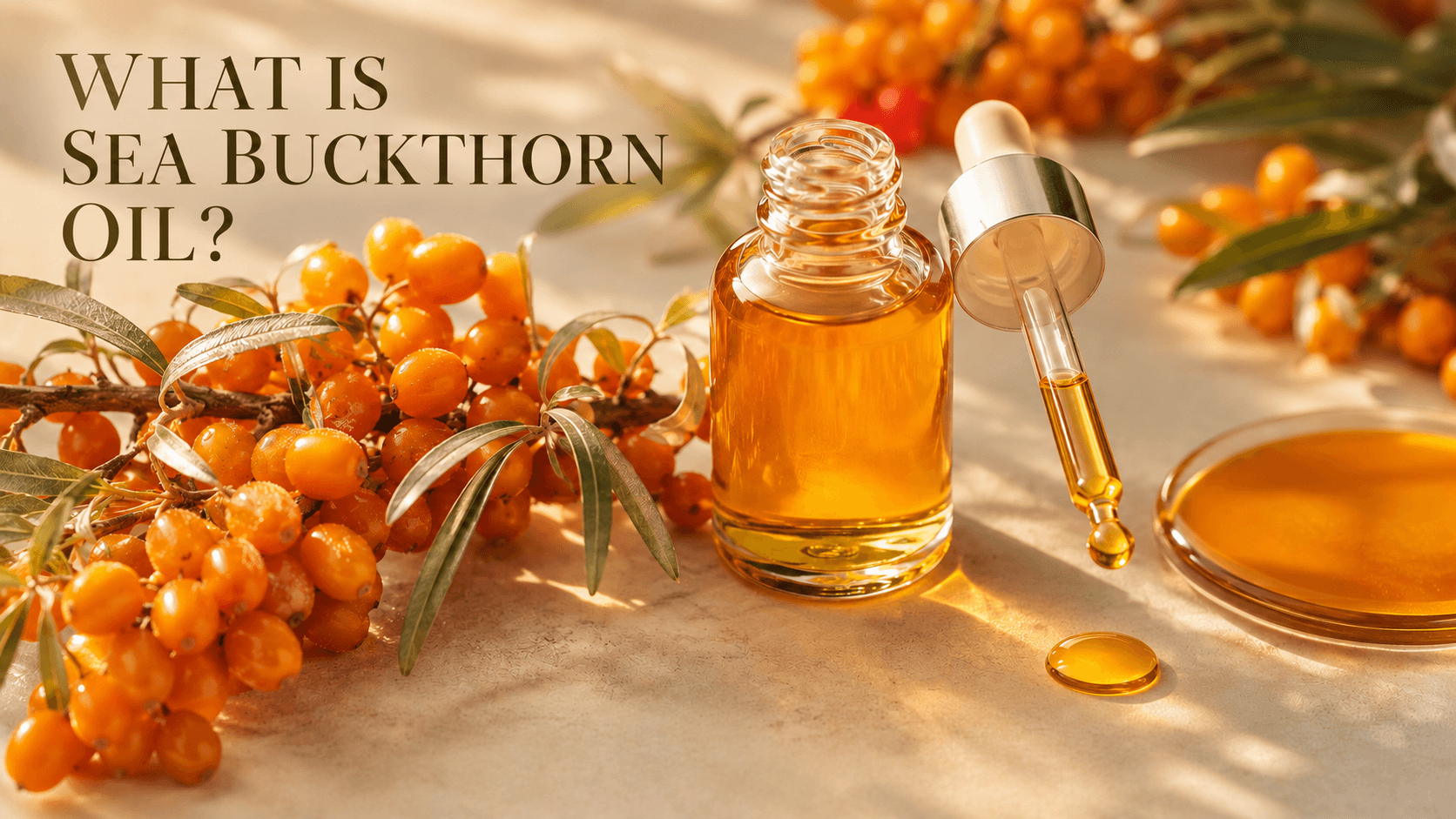
Sea buckthorn oil stands out immediately because of its naturally vivid orange color, but its appeal goes far beyond appearance. This botanical oil is valued for its rich texture, conditioning feel, and naturally occurring fatty acids and carotenoids. If you have wondered what sea buckthorn oil is or how to use sea buckthorn oil for the face, this guide offers a simple and practical introduction. You can also explore CocoJojo’s Sea Buckthorn Oil, Unrefined and Partially Filtered to learn more about its natural color, texture, and cosmetic uses.
WHAT IS PURE SEA BUCKTHORN OIL MADE OF?
Sea buckthorn oil comes from the berries of Hippophae rhamnoides, a hardy flowering shrub that produces clusters of small, bright orange fruit. Despite its name, the plant does not come from the sea. It commonly grows in challenging coastal, mountainous, and sandy environments.
The oil may be extracted from the seeds, the fleshy fruit pulp, or a combination of both. Seed oil and fruit oil can have different fatty acid profiles, colors, and textures. Fruit pulp oil is typically deeper orange because it contains a higher concentration of naturally occurring carotenoids.
Sea buckthorn oil is a botanical carrier oil, not an essential oil. Its composition includes fatty acids, carotenoids, tocopherols, phytosterols, and other plant compounds. A published scientific review of sea buckthorn oil’s composition discusses these naturally occurring components in greater detail.
Unrefined and partially filtered oils may retain a stronger natural aroma, richer color, and more visible plant character than heavily refined alternatives. This makes sea buckthorn a distinctive option within CocoJojo’s wider collection of natural botanical oils.
ADVANTAGES OFFERED BY SEA BUCKTHORN OIL:
The most noticeable quality of sea buckthorn oil is its rich, conditioning texture. When used in a balanced facial routine, it can help dry or rough-feeling skin feel softer, smoother, and more supple. Its fatty acid content also makes it useful for supporting a comfortable, moisturized skin feel.
Its natural carotenoids give the oil its signature golden-orange shade and contribute to its popularity in glow-focused skincare routines. With regular cosmetic use, sea buckthorn oil can help the complexion appear nourished and radiant. It should not, however, be presented as a treatment for acne, pigmentation, or any medical skin condition.
Because the oil is highly concentrated and deeply colored, begin with a small amount. Mix one drop with your usual moisturizer or combine it with a lighter carrier oil. Apply the blend to clean, slightly damp skin, preferably during your evening routine. Avoid using too much, as its natural pigments may temporarily tint very fair skin or stain light fabrics.
Those new to facial oils may find CocoJojo’s guide to choosing the best oil for your skin type helpful. You can also discover how sea buckthorn fits into a radiant-looking routine in Best Natural Oils to Achieve Smooth, Glass-Like Skin.
Always patch test the oil on a small area before facial use. Stop using it if redness, discomfort, or irritation develops. A few carefully measured drops are usually enough to enjoy its conditioning feel and distinctive botanical character.
Sea buckthorn oil is ultimately a versatile choice for anyone exploring rich, plant-based facial oils. CocoJojo offers an unrefined, partially filtered option for customers who appreciate its authentic color and naturally concentrated texture. Used thoughtfully, it can add softness, comfort, and a radiant-looking finish to a simple skincare ritual.