
Introduction
In contemporary skincare and wellness formulation, essential oils are considered for their aroma, chemical composition, compatibility, and overall sensory contribution. Palmarosa Essential Oil, derived from Cymbopogon martinii, is especially recognized for its soft floral aroma and naturally geraniol-rich profile.
CocoJojo Palmarosa Essential Oil offers a rosy, gently herbaceous character suited to skincare, body care, hair products, massage blends, and aromatic routines. Because essential oils are concentrated, they should be properly diluted and patch tested before topical cosmetic use.
Botanical Origin and Extraction
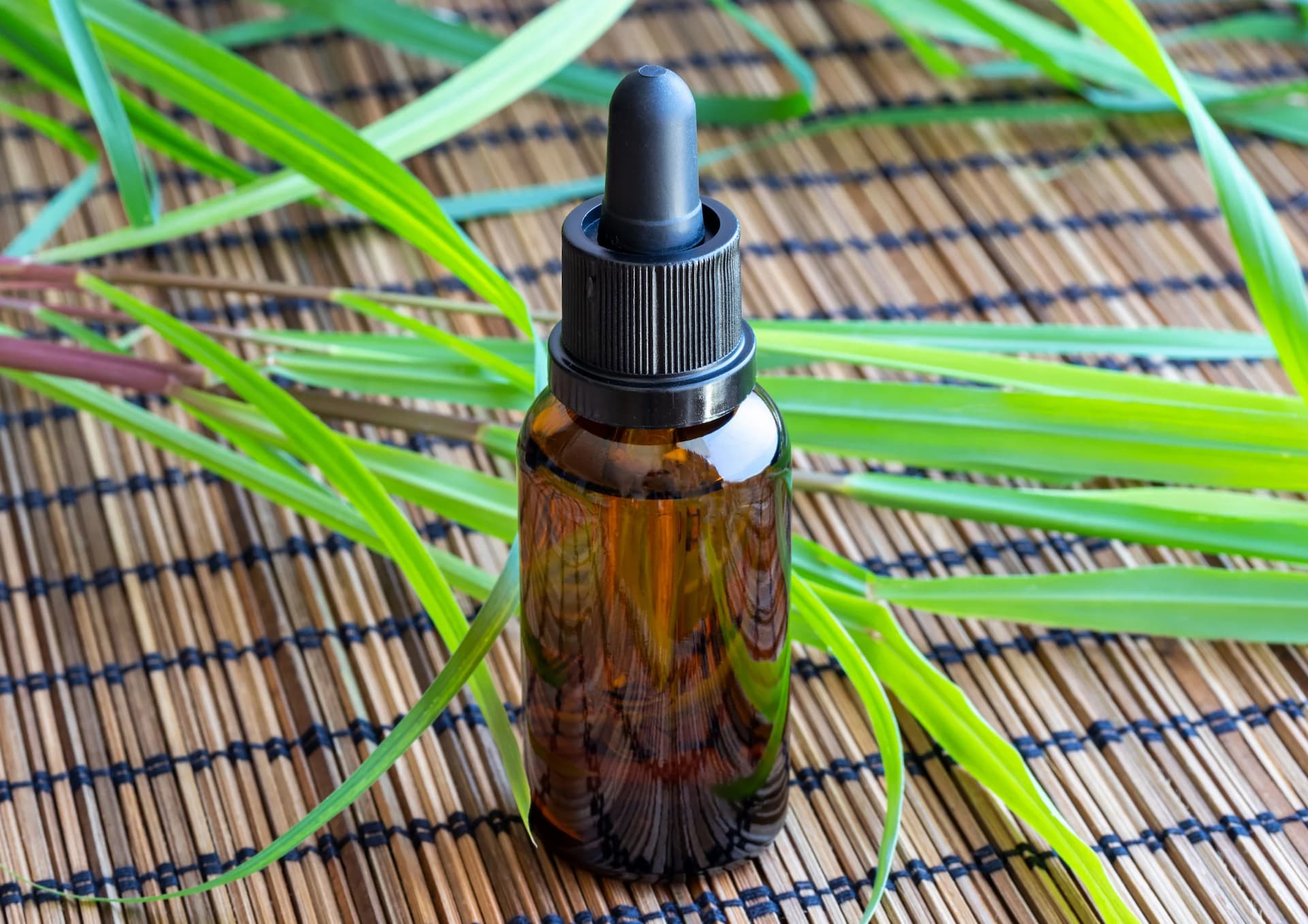
Palmarosa is a fragrant perennial grass traditionally cultivated in India and other tropical regions of Asia. Despite its rose-like aroma and name, it is botanically different from the rose plant.
The essential oil is commonly obtained through steam distillation of the aromatic grass. Steam carries the volatile compounds from the plant material before they are cooled and separated into essential oil and aromatic water.
Extraction method, botanical identity, storage, and batch consistency can all affect an oil’s aroma and composition. Readers can explore these quality indicators in CocoJojo’s guide to spotting a real or fake essential oil.
Chemical Composition and Functional Significance
Geraniol is generally the principal aromatic constituent of palmarosa oil. Published analyses also identify compounds such as geranyl acetate, linalool, farnesol, and other naturally occurring volatile components. Exact percentages can vary according to plant variety, growing conditions, harvest timing, plant part, and distillation method.
A peer-reviewed scientific review of Cymbopogon martinii essential oil discusses its geraniol-rich chemical profile and aromatic significance.
From a formulation perspective, this composition contributes to:
- A soft floral and rosy aroma
- Gentle grassy and citrus-like undertones
- Compatibility with many botanical fragrance profiles
- A refined sensory character in properly formulated products
- The performance of a finished skincare product still depends on the complete formula, not on one aromatic ingredient alone.
Dermatological Benefits in Skincare
Palmarosa Essential Oil is frequently selected for cosmetic formulas intended to feel fresh, balanced, and pleasantly conditioned. Its main contribution is its aromatic and sensory character.
Any visible or tactile result depends on the concentration used and the surrounding ingredients, including carrier oils, humectants, emulsifiers, and moisturizers. Palmarosa Essential Oil should not be applied undiluted to the skin. Sensitive users should patch test the finished blend before regular use.
Key Skin Benefits
Hydration Support
Essential oils do not add water to the skin. However, Palmarosa can be blended into a carrier oil that helps reduce the feeling of dryness and leaves skin feeling softer.
For a lightweight base, formulators and home users may consider Jojoba Oil Unrefined Certified Organic. Always follow an appropriate cosmetic dilution level.
Sebum Regulation
Palmarosa is often included in products marketed for combination or oily-feeling skin because its aroma feels fresh without being sharply medicinal.
Claims about controlling or normalizing oil production should be approached carefully because results depend on the entire formulation. A lightweight product such as Rose Water Hydrosol may also suit routines where a heavy or greasy finish is not preferred.
Soothing and Conditioning
The soft floral aroma can make a skincare or body-care routine feel more relaxing and refined. When used at an appropriate level in a well-formulated product, it can complement ingredients selected to leave the skin feeling smooth and conditioned.
Fragrance ingredients, including natural essential oils, may not suit every sensitive skin type. Dilution and patch testing remain important.
Support for Skin Clarity
Laboratory studies have examined palmarosa oil and geraniol for antimicrobial activity. However, laboratory findings do not establish that a cosmetic product can treat acne, infections, or other skin conditions.
In cosmetic products, Palmarosa Essential Oil is better presented as an aromatic ingredient that complements formulas intended to leave skin feeling fresh and well cared for.
Aromatherapeutic and Sensory Profile
Palmarosa has a soft floral scent with rosy, sweet, grassy, and lightly citrus-like notes. It can add warmth without the richness associated with heavier floral aromas.
Many people associate this fragrance profile with calm, comfort, and a refreshed atmosphere. These sensory responses are personal and should not be presented as guaranteed psychological or medical effects.
For a complementary botanical aroma, Lavender Essential Oil can be paired with palmarosa in carefully diluted aromatic blends.
Applications in Modern Formulation
Palmarosa Essential Oil can be incorporated into several cosmetic and aromatic product formats, including:
- Facial and body oils
- Moisturizers and creams
- Cleansers and body washes
- Scalp and hair-care products
- Massage oils
- Bath and aromatic blends
Essential oils are oil-soluble and do not disperse evenly in plain water. Water-based formulations require an appropriate solubilizer, emulsification system, preservation strategy, and stability testing.
For a practical oil-based application, explore CocoJojo’s guide on how to make a calming bath oil with natural oils.
Quality Standards and CocoJojo’s Commitment
At CocoJojo, botanical ingredients are considered according to their identity, processing method, aromatic profile, intended cosmetic use, and handling requirements.
Important essential-oil quality indicators include:
- A clearly stated botanical name
- A recognized extraction method
- Appropriate protective packaging
- Batch and supplier traceability
- Consistent aroma and appearance
- Responsible dilution and usage guidance
These details help formulators and customers make informed decisions while maintaining realistic expectations about botanical ingredients.
Conclusion
Palmarosa Essential Oil by CocoJojo brings together botanical tradition, fragrance chemistry, and modern cosmetic formulation. Its geraniol-rich composition creates a distinctive rosy and herbaceous aroma that works well across skincare, body care, hair care, and aromatic applications.
Its value is best understood as part of a complete formulation. Proper dilution, thoughtful ingredient pairing, patch testing, and responsible cosmetic claims are essential. Used carefully, Palmarosa Essential Oil can add an elegant botanical character to both professional formulations and personal wellness rituals.