Introduction
The personal care and cosmetics industry is moving toward customization, flexible production, and faster product development. Beauty brands want greater control over formulas, packaging, positioning, and supply chains without having to build a complete production facility.
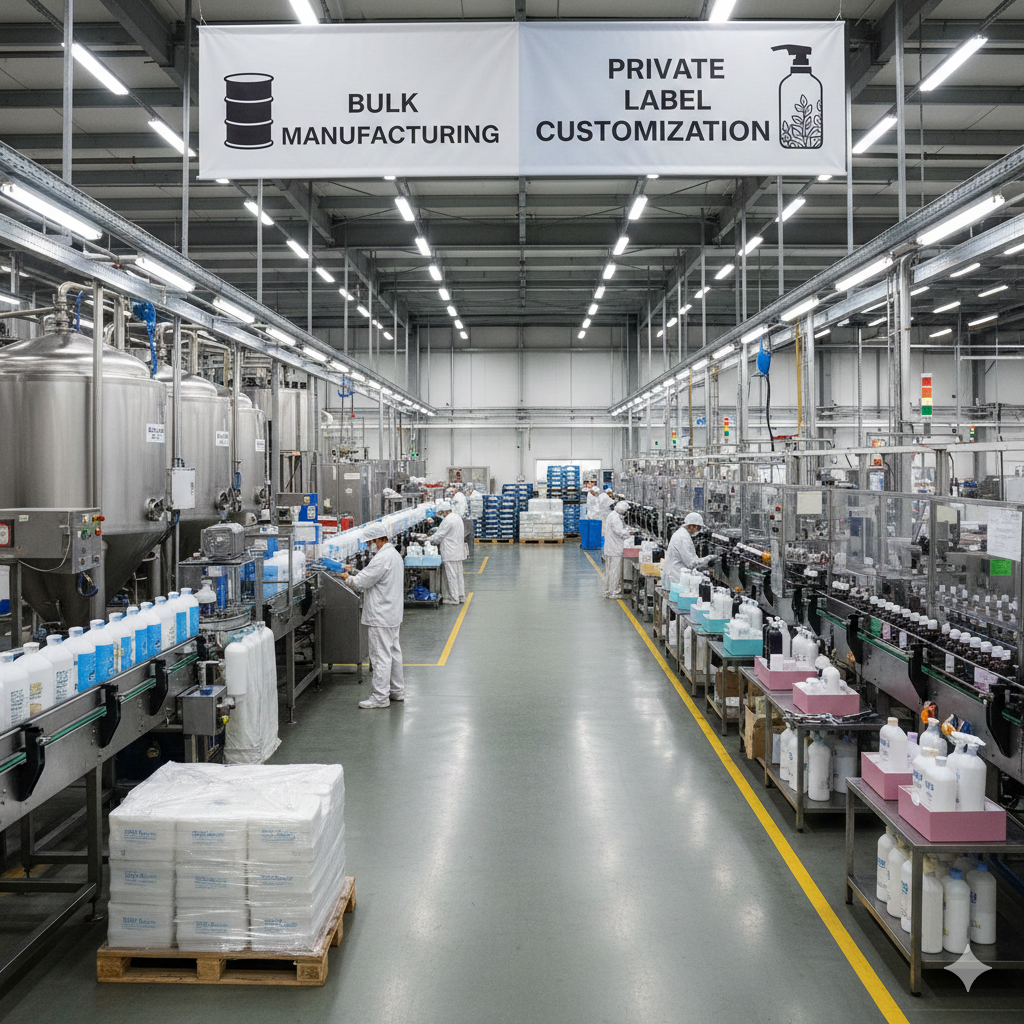
CocoJojo supports this need through its cosmetic manufacturing services, bringing formulation knowledge, ingredient sourcing, production, filling, and private label support together. This connected approach helps skincare, hair care, and wellness brands move from an early concept to a market-ready product with greater clarity and control.
The Role of Bulk and Private Label in the Modern Beauty Industry
Bulk and private label manufacturing allows businesses to select established formulas, request targeted modifications, or develop more customized products while maintaining their own brand identity. This model can support:
- Emerging skincare and wellness brands
- Dermatology clinics and spas
- Retailers developing proprietary collections
- E-commerce businesses preparing to scale
CocoJojo’s bulk and private label category gives businesses a more direct route to product development. It can reduce duplicated formulation work, limit the need for major equipment investments, and help brands focus their resources on positioning, packaging, sales, and customer experience.
Scientific Formulation Standards
A successful cosmetic formula must do more than contain popular ingredients. Its components must work together at suitable concentrations while maintaining the intended texture, appearance, aroma, and stability.
CocoJojo develops products with attention to:
- Ingredient compatibility
- Formula stability
- Skin feel and application
- Batch-to-batch consistency
- Preservation and emulsification systems
- Packaging compatibility
Testing plans depend on the product format, ingredients, packaging, and intended market. Brands can learn more about these considerations in CocoJojo’s guide to testing and compliance in contract manufacturing.
Ingredient Sourcing and Quality Control
Reliable manufacturing begins with carefully selected raw materials. Ingredient identity, traceability, specifications, storage conditions, and supplier documentation can all affect the finished formula.
CocoJojo integrates sourcing and quality checks throughout the manufacturing process. Its wholesale beauty solutions include oils, butters, extracts, bases, and other materials for professional product development.
Quality control should continue beyond ingredient selection. Production records, controlled procedures, in-process checks, and finished-product review help brands maintain consistency as order volumes change.
Customization and Brand Differentiation
Private label does not have to mean creating a product that feels generic. Thoughtful customization can help a brand establish a recognizable identity while using an existing formulation framework.
Depending on the project, customization may include:
- Active ingredient adjustments
- Texture or viscosity changes
- Aroma and essential oil profiles
- Color and visual presentation
- Packaging and dispensing formats
- Labeling and branded product presentation
CocoJojo’s guide to rebranding cosmetic products explains how private labeling can connect manufacturing support with a company’s individual brand direction.
Scalability and Manufacturing Efficiency
Scalability should be considered before a product launches. A formula that performs well in a development sample must also remain consistent when produced at a larger volume.
CocoJojo’s manufacturing structure supports brands at different stages of growth. Planning production requirements, ingredient availability, packaging supply, testing, and lead times early can reduce avoidable interruptions later.
The skincare contract manufacturing process typically moves through consultation, formulation, sampling, testing, packaging, production, filling, and final review. Understanding these stages helps brands set practical budgets and launch timelines.
Regulatory Awareness and Market Readiness
Cosmetic requirements vary according to the product, claims, sales region, and responsible business entity. Brands should review formula documentation, ingredient declarations, packaging copy, product claims, and applicable registration or listing responsibilities before launch.
In the United States, the FDA’s MoCRA information explains current requirements involving safety substantiation, facility registration, product listing, adverse event reporting, and developing cosmetic manufacturing standards.
Manufacturing support can make documentation and product preparation more organized, but every brand should obtain qualified regulatory or legal guidance for its specific products and markets.
Applications Across Personal Care Categories
CocoJojo’s bulk and private label capabilities extend across multiple personal care categories, including:
- Facial and body skincare
- Hair and scalp care
- Carrier oils and botanical extracts
- Essential oils and aromatic products
- Massage and professional-use formulas
- Cream, cleanser, serum, and oil-based formats
Versatile ingredients such as Watermelon Seed Oil Unrefined can be considered for facial oils, body products, serums, creams, and other cosmetic concepts. Final ingredient selection should always reflect the desired product format, sensory experience, positioning, and intended consumer.
CocoJojo’s Manufacturing Philosophy
CocoJojo approaches manufacturing as an ongoing collaboration between the brand, formulators, production specialists, and quality teams. The goal is to understand what the product needs to achieve, how it should feel, and how it can be produced consistently.
The company’s manufacturing philosophy centers on:
- Scientific formulation
- Clear ingredient sourcing
- Reliable production procedures
- In-house experience
- Practical customization
- Continued product development
The CocoJojo wholesale company overview provides more information about its formulation, ingredient sourcing, testing, manufacturing, and private label capabilities.
Conclusion
Bulk and private label manufacturing gives beauty businesses a structured path from product concept to finished inventory. It can reduce the need for in-house equipment, shorten development steps, and provide access to established formulation and manufacturing knowledge.
By combining ingredient sourcing, cosmetic science, customization, quality control, and scalable production, CocoJojo helps brands develop products that reflect their identity and commercial goals. Whether the project begins with an established base or a more customized concept, careful planning and the right manufacturing partnership can create a stronger foundation for sustainable brand growth.